


Multisectoral approach
Programme overview
Vector-borne diseases account for more than 17% of all infectious diseases globally, causing more than 700 000 deaths annually.
The determinants of VBDs can be grouped into several broad categories among which the following 4 require a multisectoral approach:
The determinants of VBDs can be grouped into several broad categories among which the following 4 require a multisectoral approach:

Pathogen- and vector-related determinants, such as vector host seeking and biting behaviour, and pathogen mutation

Environmental and ecological determinants, such as vegetation cover and the type of water body
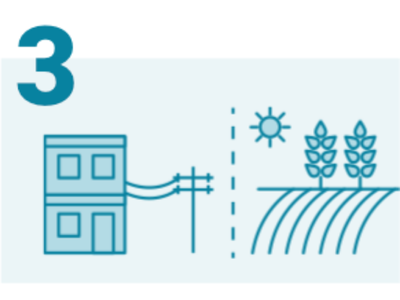
Economic and social determinants, such as human behaviour, agricultural practices, poverty, and growth of urban slums

Health system-related determinants,
such as the access to adequate health care facilities
These determinants are intertwined and shaped by global issues, such as climate change and population displacement, which further complicate prevention and control strategies. Dealing with the diverse impacts of these factors far exceeds the capacity of ministries of health and the health sector alone and requires the involvement of many sectors and stakeholders.
Thus, a Multisectoral Approach (MSA) can help to jointly develop strategies, structures, new tools and action plans within a policy framework to address VBDs.
The projects
Four case studies have been selected to test the theoretical base of the multisectoral approach in terms of the prevention and control of VBDs.
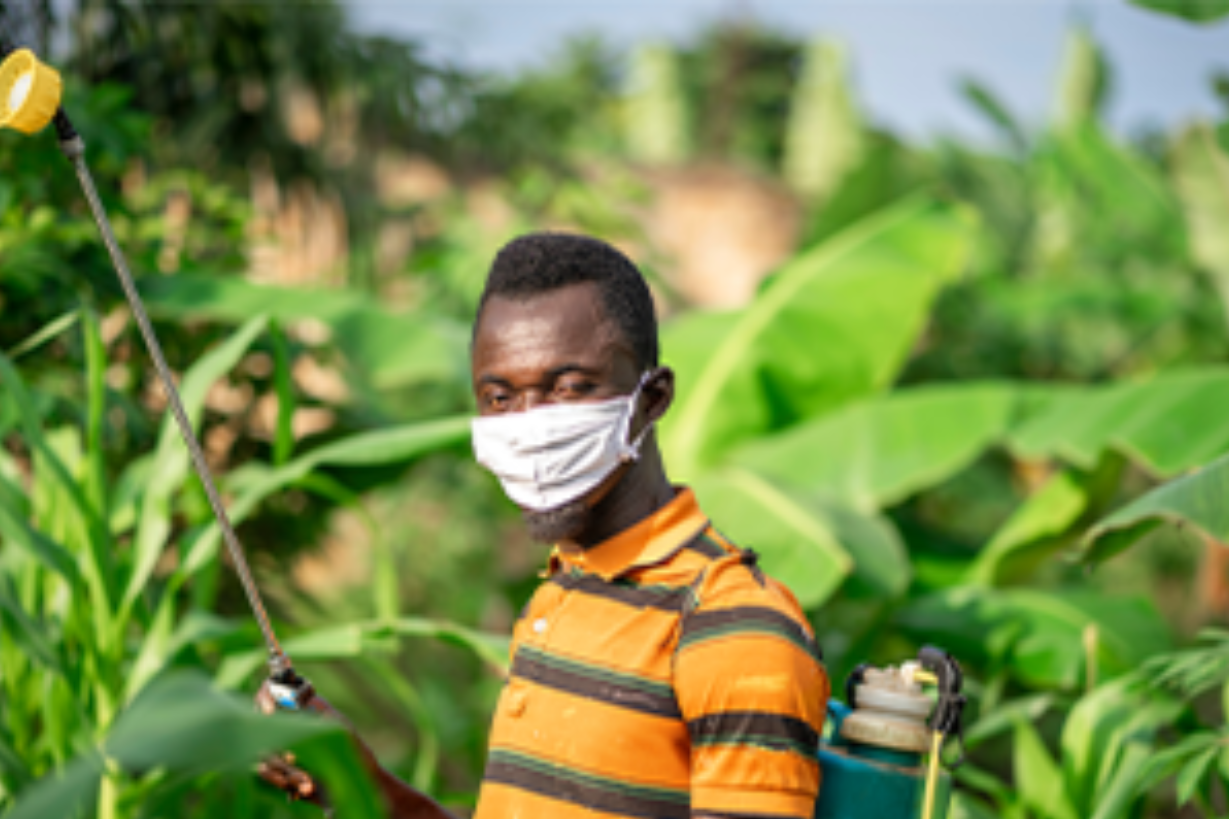
A pilot multisectoral intervention for controlling malaria vectors and mitigating insecticide resistance in selected coastal and Sahelian west African countries.
.png?sfvrsn=774eb836_0 "Untitled design (1)")
Assessing public-private partnership opportunities to improve access to vector control products among communities at risk of malaria in Cambodia and Vietnam.
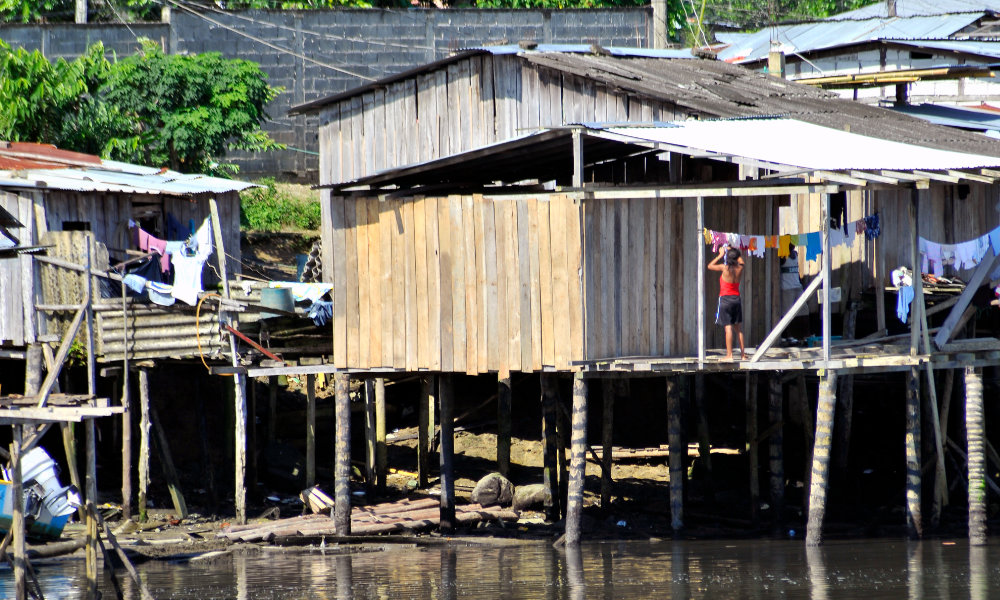
Establishing a multisectoral strategy to prevent transmission of Aedes-borne diseases in the coastal city of Manta, Ecuador.

Zika, Dengue and Chikungunya: Multisectoral approaches for developing solutions applicable to public health for very poor people living in and around the biggest open dump in Latin America in Brasilia, Brazil.
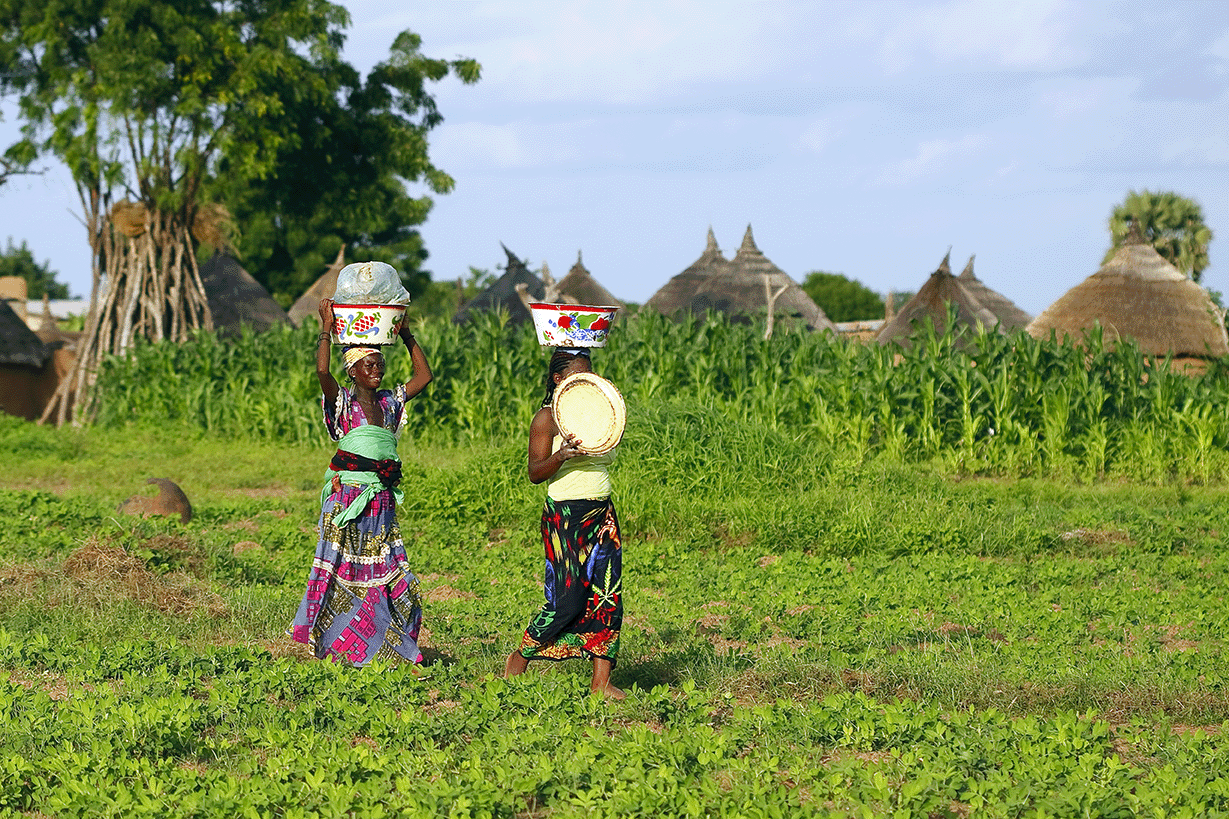
Identification of non-health sectors with an impact on malaria transmission, and exploration of possibilities for collaboration in Burkina Faso.
The challenge
Impressive gains have been made against some VBDs, but the burden of others has increased in many regions and countries. The complex and dynamic nature of vector-borne pathogens make controlling these diseases very difficult. This underscores the need for well-coordinated and adaptive collaboration among different sectors.
To accelerate progress towards tackling VBDs, we must break the silos and work together.
.png?sfvrsn=cd86aa2b_0 "Untitled design (2)")
Programme aims and objectives
Although multisectoral collaborations have been implemented in previous programmes and projects, the collaboration mechanisms were often not recorded and the role of various sectors and stakeholders has been unclear. Thus, more robust tracking and documenting of different MSA practices are needed in order to better plan multisectoral actions in the future.
The research studies showcased on this page aim to test the theoretical base of the approach, with the aim of better understanding the use of MSA in practice and the contribution it can have on successful prevention and control of VBDs.
The objectives of these research projects are to:

Test the theoretical framework developed by TDR in its MSA guidance document.

Document MSA in disease control programs in low and middle income countries and gather evidence from contextualized implementation.

Provide training packages and organize platforms for exchanges around MSA.
Publications
- Multisectoral Approach for the Prevention and Control of Vector-Borne Diseases. Journal of Infectious Diseases. Volume 222, Issue Supplement_8, 1 December 2020. https://academic.oup.com/jid/issue/222/Supplement_8
- Jones, R. T., Tusting, L. S., Smith, H., Segbaya, S., Macdonald, M. B., Bangs, M. J., & Logan, J. G. (2018). The impact of industrial activities on vector-borne disease transmission. Acta tropica, 188, 142–151. https://doi.org/10.1016/j.actatropica.2018.08.033
- Herdiana, H., Sari, J., & Whittaker, M. (2018). Intersectoral collaboration for the prevention and control of vector borne diseases to support the implementation of a global strategy: A systematic review. PloS one, 13(10), e0204659. https://doi.org/10.1371/journal.pone.020465