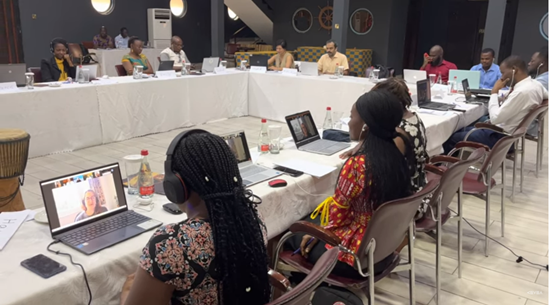
Expand operational research capacity with SORT IT
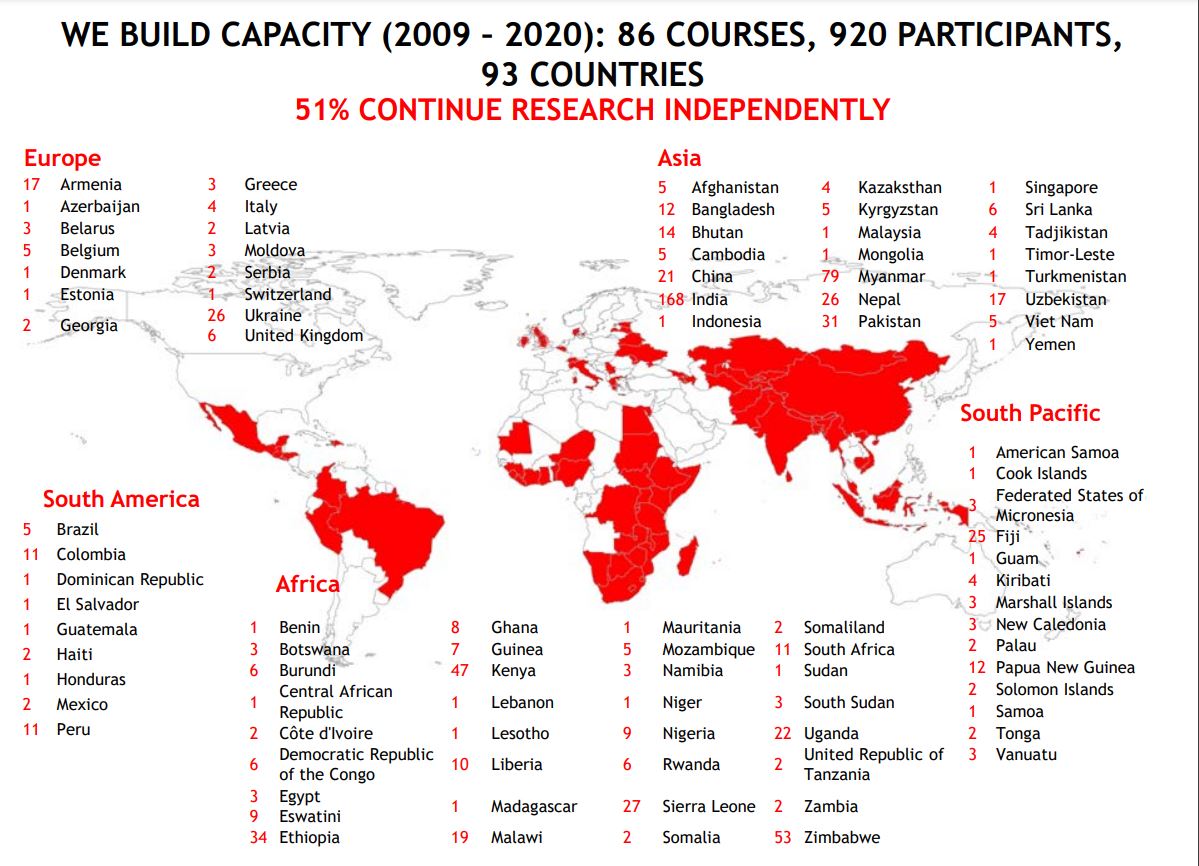
SORT IT is growing—expanding into new regions, addressing emerging public health priorities, adopting more complex study designs, and piloting innovative delivery methods. Through its collaborative model, SORT IT actively promotes partnerships, national leadership, and sustainable research capacity strengthening.
Organizations and institutions can support these tailored training opportunities by partnering with Special Programme for Research and Training in Tropical Diseases (TDR) to sponsor and host SORT IT workshops.
By collaborating with TDR, organizations can:
-address operational and implementation research priorities aligned with the TDR Strategy 2024–2029
-build institutional and national operational research capacity
-train new SORT IT facilitators
-strengthen evidence-informed public health practice
-bring internationally recognized operational research expertise to their institution or country
Criteria for SORT IT courses and use of logos
1. TDR-led and/or TDR-funded (or co-funded) courses
These SORT IT programs fully comply with TDR standards, methodologies, and quality assurance processes. These courses are officially endorsed and may carry both the TDR and SORT IT logos. Participants will also receive certificates bearing the TDR logo.
2. Institution-led SORT IT courses: partnership and oversight model
Under this model, partner institutions independently organize, mobilize resources and finance the course, while TDR provides a defined package of technical oversight, quality assurance and SORT IT branding. This enables institutions to build their own implementation research capacity while maintaining the quality and credibility of the SORT IT approach.
TDR support and associated costs
The partner institution covers the following TDR inputs:
- TDR-recognized mentor support: 20 days for a SORT IT cycle, excluding travel, accommodation and incidentals.
- Quality assurance and course monitoring: A minimum of 10 work-days over the 10-12 month course cycle for monitoring, evaluation, performance metrics and overall quality assurance.
- SORT IT platform adaptation and archiving: 5 days to adapt the online platform, load SORT IT materials and maintain course records and outputs.
- Programme support costs: 7–13% of the above TDR costs.
Institutional benefits
In return, participating institutions benefit from:
- Access to experienced and TDR-recognized SORT IT mentors and technical expertise.
- Use and adaptation of the SORT IT platform and methodology.
- Ongoing TDR oversight to ensure adherence to SORT IT quality standards.
- Official TDR endorsement of the course, subject to meeting agreed quality requirements.
- Permission to use the TDR and SORT IT logos in approved course materials and communications.
- TDR-branded certificates for participants who successfully complete the course and meet the required standards.
This model allows institutions to take ownership of implementation and financing and TDR to retain oversight of quality, standards and brand integrity.
3. Institution-led courses without TDR oversight
These courses are organized and funded independently by partner institutions. They cannot be called SORT IT courses, as TDR does not oversee quality or take responsibility for these programs. Use of TDR or SORT IT logos is not permitted as TDR does not supervise or guarantee the quality of these programs. They cannot be presented as official SORT IT courses, and the use of the TDR and/or SORT IT logos is not permitted.
4. Applications for funding of SORT IT courses
Organizations seeking funding for SORT IT activities and aspiring to meet TDR–SORT IT standards are encouraged to engage with TDR at an early stage. Early collaboration helps ensure:
-oversight of quality and adherence to standards
-timely review of eligibility for the use of TDR and/or SORT IT branding and logos
-appropriate coordination and technical support where applicable
Where World Health Organization country offices, TDR-supported regional training centers or WHO collaborating centres are involved, engagement with TDR is mandatory, as TDR hosts the SORT IT Secretariat within WHO.