Vector-borne diseases
WHO / Andy Craggs
©
Credits
Vector-borne diseases are illnesses caused by parasites, viruses and bacteria that are transmitted by vectors such as mosquitoes, ticks, flies snails. They occur in more than 100 countries worldwide, affecting as much as half of the world’s population.
Our work
At TDR, the research we support in this area currently covers arboviral diseases, malaria, human African trypanosomiasis (HAT), Chagas disease, leishmaniasis and snail-borne diseases such as fascioliasis and schistosomiasis.
Our work supports a wide spectrum of research from basic research on genomics and genetic modification of vectors to implementation research for the delivery and scale-up of control efforts and includes engagement across multiple communities and stakeholders.
The long-term aim of our work is to not only prevent vector-borne disease outbreaks but also to develop and implement strategies that reduce vulnerability and increase the resilience of populations at risk.
News
All →Featured publications
View all →
20 May 2026
TDR annual report 2025
The TDR annual report 2025 presents an overview of the activities, achievements and strategic directions of the UNICEF/UNDP/World Bank/WHO Special Programme...
13 May 2025
TDR annual report 2024
This report highlights the impact of research supported by the UNICEF/UNDP/World Bank/WHO Special Programme for Research and Training in Tropical Diseases...
1 May 2025
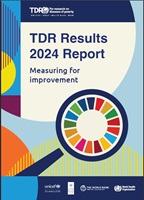
TDR results report 2024
The 2024 results report marks the first year of measuring TDR’s performance based on the revised performance framework in which indicators have been...
8 July 2024
TDR annual report 2023
This report highlights the impact of research supported by the UNICEF/UNDP/World Bank/WHO Special Programme for Research and Training in Tropical Diseases...
26 May 2023
Seasonal malaria chemoprevention with sulfadoxine–pyrimethamine plus amodiaquine in children: a field...
Seasonal malaria chemoprevention (SMC) is the intermittent administration of a curative dose of antimalarial medicine to children at high risk of severe...
17 April 2023
TDR annual report 2022
This report highlights the impact of research supported by the UNICEF/UNDP/World Bank/WHO Special Programme for Research and Training in Tropical Diseases...
29 November 2022
Surveillance and control of arboviral diseases in the WHO African Region: assessment of country capacities
The growing threat and recent epidemics of Aedes-borne arboviral infections in Africa has put into question the adequacy of public health systems to...
31 May 2021
Operational guide using the web-based dashboard: Early Warning and Response System (EWARS) for dengue...
This guide is an update to the previous version. This revised edition of Operational guide using the web-based dashboard: Early Warning and Response System...
Currently available methods to control mosquito vectors are based on the use of insecticides and elimination of mosquito larval breeding sites. In...

Related links
Research briefs on urban health and infectious diseases of poverty
Investigating the links between vector-borne diseases, people, ecology and the environment in selected
settingsLearn more about each project
Read the articleVector-borne diseases under climate change conditions in Africa
Read the articleImpact of past and on-going changes on climate and weather on vector-borne diseases transmission: a look at the
evidence
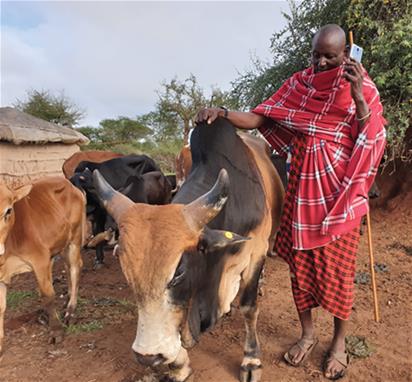
Climate change research to prevent sleeping sickness outbreaks in Tanzania
Smartphone app helps to map location of tsetse flies
View flyer