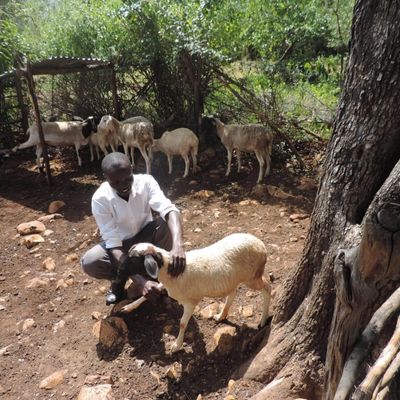
Early warning systems for improved human health and resilience to climate sensitive vector-borne diseases in Kenya
Why this project?
There are several factors that influence the occurrence of VBD infections, most importantly: climate, ecosystems, human behaviour and disease pathogens. This project aimed to better understand these factors and help vulnerable populations.
The aim
This project sought to assess the vulnerability of dryland human populations to VBDs and develop strategies and systems to improve their resilience to climate-sensitive vector-borne diseases in Baringo County, Kenya.
The research site
Kenya: Baringo County (North Rift Valley)
Objectives
Objective 1
To determine factors (climatic and non-climatic) that contribute to population health vulnerability to VBDs in the selected study sites. This includes the anthropology, parasitology and virology components of the study.
Objective 2
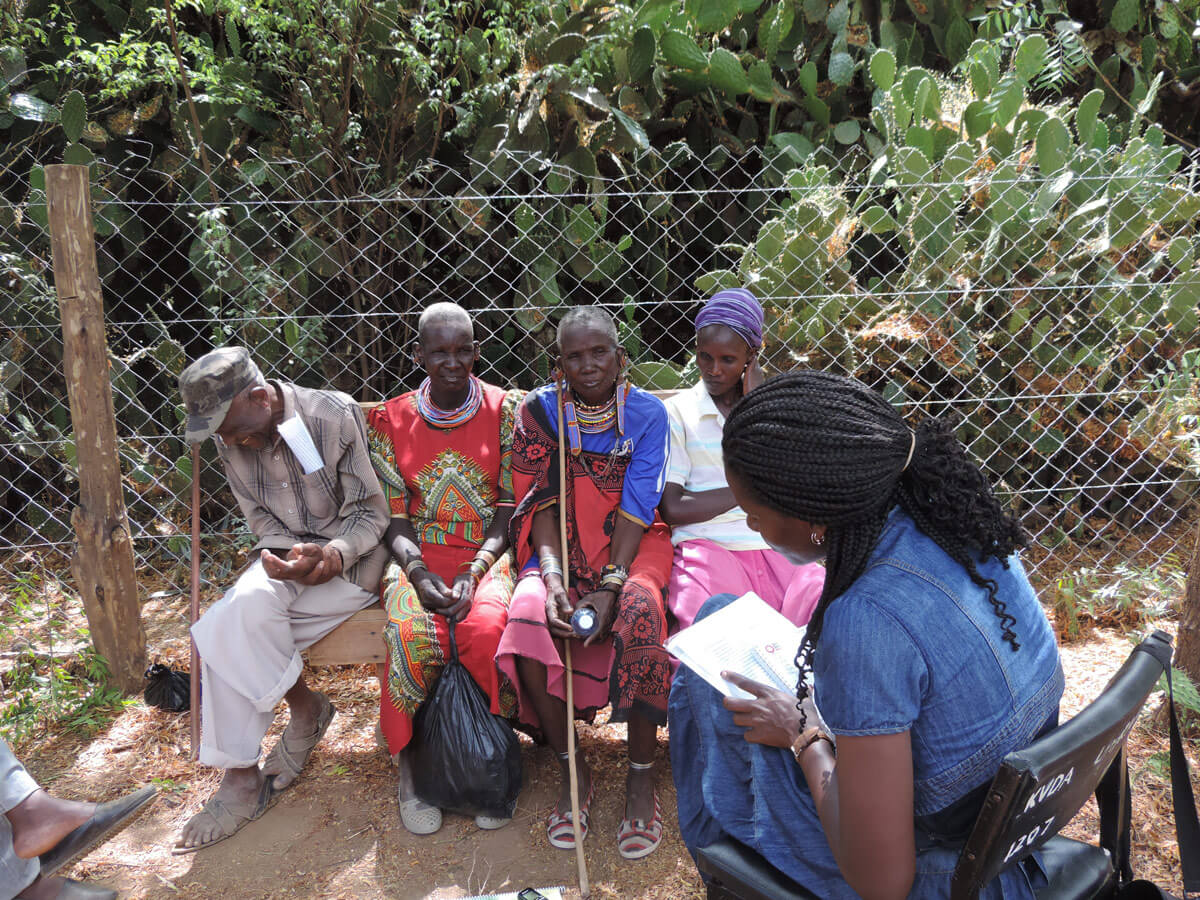
To assess existing adaptation strategies and develop innovative solutions for enhancing resilience using participatory action research approaches. This includes the anthropology and parasitology components of the study.
Objective 3
To develop tools for detection of the likely occurrence of climate sensitive vector borne diseases. This includes the virology and spatial modelling components of the study.
Objective 4
To assess and compare the temporal and spatial characteristics of climatic, hydrological, ecosystems, and vector bionomics variability in Baringo County, Kenya. This includes the entomology, virology and spatial modelling components of the study.
Objective 5
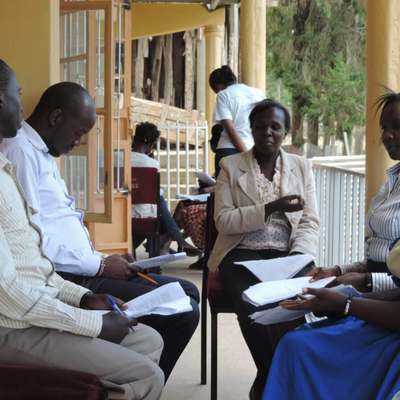
To build the capacity of stakeholders to promote the utilisation of the developed strategies. This includes the anthropology, entomology, parasitology, virology and spatial modelling components of the study.
Research approaches
- Determine factors that contribute to health vulnerability to VBDs
- Assess existing adaptation strategies and develop solutions for enhancing resilience
- Develop tools for detection of likely occurrence of climate sensitive VBDs
- Assess and compare the temporal and spatial characteristics of VBD variability
- Build stakeholder capacity to promote use of developed strategies
- Entomological surveying of mosquitoes
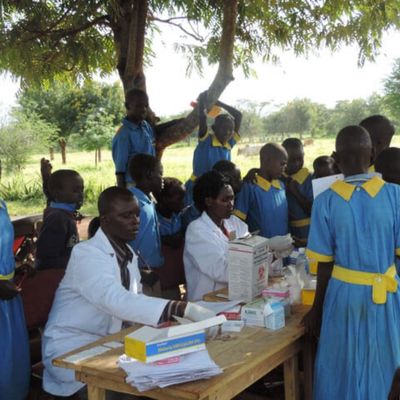
- Incidence and prevalence surveys
Publications
Amadi JA, Olago DO, Ong’amo GO, Oriaso SO, Nanyingi M, Nyamongo IK, Estambale BBA (2018) Sensitivity of vegetation to climate variability and its implications for malaria risk in Baringo, Kenya. PLoS ONE 13(7): https://doi.org/10.1371/journal.pone.0199357
Amadi JA, Olago DO, Ong’amo GO, Oriaso SO, Nyamongo IK, Estambale BBA (2018) “We don’t want our clothes to smell smoke”: Changing malaria control practices and opportunities for integrated community-based management in Baringo, Kenya. BMC Public Health 18:609.
Kipruto EK, Ochieng AO, Anyona DN, Mbalanya M, Mutua EN, Onguru D, Nyamongo IK, Estambale BBA (2017) Effect of climatic variability on malaria trends in Baringo County, Kenya. Malaria Journal15: 220
Mutua E, Bukachi S, Bett B, Estambale B, Nyamongo I (2017) Youth Participation in smallholder livestock production and marketing. IDS Bulletin: Transforming Development Knowledge 48(3)
Mutua EN, Bukachi SA, Bett BK, Estambale BA, Nyamongo IK (2016) Lay knowledge and management of malaria in Baringo county, Kenya. Malaria Journal 15, 486.
Ochieng AO, Nanyingi MO, Kipruto E, Ondiba IM, Amimo FA, Oludhe C, Olago DO, Nyamongo, IK, Estambale, BA (2016) Ecological niche modelling of Rift Valley fever virus vectors in Baringo, Kenya. Infection Ecology and Epidemiology 6: 32322.
Omondi CO, Kamau LM, Njaanake HK, Anyona D, Onguru D, Estambale B (2016) Efficacy of three rapid diagnostic test kits in the diagnosis of Plasmodium species infections among primary school children in Baringo County, Kenya. Open Journal of Clinical Diagnostics 7: 31-44.
Ondiba IM, Oyieke FA, Nyamongo IK, Estambale BBA (2017). Diversity, distribution and abundance of potential Rift Valley fever vectors in Baringo County, Kenya. International Journal of Mosquito Research 4(4): 42-48
Ondiba IM, Oyieke FA, Ochieng AO, Anyona DN, Nyamongo IK, Estambale BBA (2017) Malaria vector species distribution and seasonal population dynamics across varied ecological zones in Baringo County, Kenya. Journal of Mosquito Research 7(21)
Partners
Jaramogi Oginga Odinga University of Science and Technology (JOOUST)
Bondo, Kenya
University of Nairobi
Nairobi, Kenya
Baringo County Ministry of Education, Ministry of Health, and Ministry of Livestock and Fisheries (Department of Veterinary Services)
Baringo County, Kenya