


TDR/IDRC research on vector-borne diseases in Africa
Programme overview
This project ran for a 3-year period, from 2015 to 2017.
The objective of this programme was to reduce population health vulnerabilities and to increase resilience against vector-borne diseases (VBDs) under climate change conditions in Africa.
Specifically, the programme aimed to:
- Generate knowledge and evidence on VBD impacts under climate change conditions on vulnerable populations
- Develop practical frameworks, processes and tools for policy and decision-making for better risk management
- Build African capacity for inter-disciplinary policy-oriented research
The five projects
Climate change is predicted to have a profound effect on the intensity and distribution of certain vector-borne diseases in Africa. The programme examined what was likely to happen where, and how to help communities adapt to changing climatic conditions.
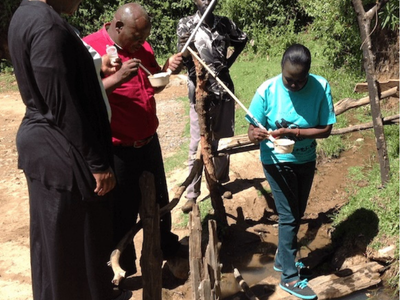
Early warning systems for improved human health and resilience to climate sensitive vector-borne diseases in Kenya.
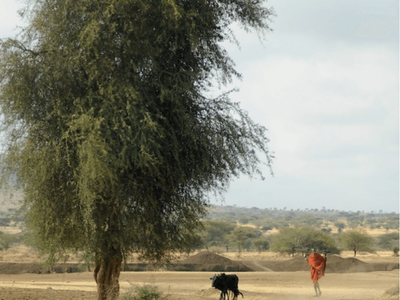
Predicting vulnerability and improving resilience of the Maasai communities to vector-borne infections.
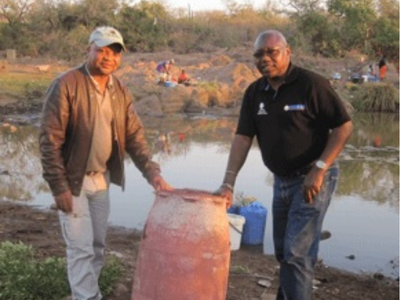
Social, environment and climate change impacts on vector-borne diseases in arid areas of southern Africa.
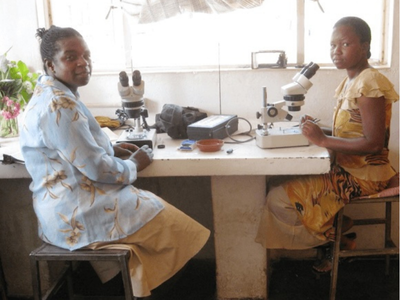
Trypanosomiasis: alleviating the effects of climate change through understanding human-vector-parasite interactions.
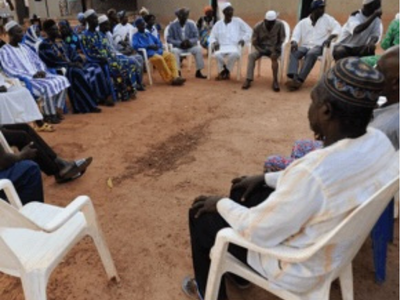
Vulnerability and resilience to malaria and schistomiasis in the northern and southern fringes of the Sahelian belt in the context of climate change.
Health impacts of VBDs
Vector-borne diseases account for 17% of the estimated global burden of all infectious diseases. Their impact is most profound in Africa, particularly within communities that have little or no financial resources, and who live in fragile environments such as dryland ecologies. In addition, children and women are often more vulnerable to these infections. In short, vector-borne diseases cause the most damage in populations that are least equipped to handle them.
Malaria
The most deadly vector-borne disease, malaria, kills over 1.2 million people annually, most of them children in Africa under the age of five. In fact, a child dies every minute from malaria in Africa despite the fact that child malaria mortality rates on the continent have been reduced by 58% since 2000. The disease burden is heavily concentrated in sub-Saharan Africa where an estimated 90% of global annual malaria deaths occur.
Schistosomiasis
In 2010, approximately 238 million people were infected with schistosomiasis (bilharzia), 85% of whom live in Africa. Considered a neglected tropical disease of poverty, schistosomiasis is one of the most widespread parasitic diseases in various regions of sub-Saharan Africa. Approximately 120 million people in sub-Saharan Africa have symptoms of the disease.
Human African Trypanosomiasis
Usually fatal when untreated, African trypanosomiasis (sleeping sickness) occurs in 36 sub-Saharan Africa countries where the tsetse fly vector is found. Due to improved control the number of new cases reported in 2009 dropped below 10,000 for the first time in 50 years, a trend that continued, with 6,314 cases recorded in 2013. Still, African trypanosomiasis is very complex to diagnose and treat, and exerts most of its impact in poor and remote populations in rural Africa.
Rift Valley fever
Outbreaks have been reported in various Sub-Saharan and North African countries including in Kenya, Somalia and Tanzania. In September 2000, cases were confirmed in Saudi Arabia and Yemen, the first beyond African borders. The virus responsible primarily affects animals, but can also be transmitted to humans. Most human cases of RVF are quite mild, but a small percentage develop a much more severe form involving eye disease, meningoencephalitis or haemorrhagic fever.
Future impacts
Even without the effect of climate change, vector-borne diseases have been known to have a major impact in Africa. This is likely to increase. Poorly designed irrigation and water systems, inadequate housing, poor waste disposal and water storage, deforestation and loss of biodiversity all may be contributing factors to the most common VBDs, including malaria, dengue and leishmaniasis.
The partners
TDR implemented the research programme with funding support from the International Development Research Centre (IDRC) and in technical collaboration with WHO’s Department of Public Health and Environment (WHO-PHE), WHO’s Regional Office for Africa (AFRO) — notably its Programme for the Protection of the Human Environment (AFRO-PHE) — and the International Research Institute for Climate and Society (IRI), Columbia University, New York, USA.
The mission of the Special Programme for Research and Training in Tropical Diseases (TDR) is “to foster an effective global research effort on infectious diseases of poverty and promote the translation of innovation to health impact in disease endemic countries”.
IDRC in Canada supports research in developing countries to promote growth and development. The result is innovative, lasting local solutions that bring choice and change to those who need it most.
Since 2003, TDR and IDRC have collaborated on ecohealth and vector-borne diseases research to improve population health and wellbeing. With the research initiative on “Population Health Vulnerabilities to Vector-Borne Diseases: Increasing Resilience Under Climate Change Conditions in Africa”, TDR and IDRC continue this collaboration in the fight against diseases of poverty for the improvement of public health in some of the world’s least developed countries.
Another major partner of this programme was the International Research Institute for Climate and Society (IRI). The mission of the IRI is to enhance society’s capability to understand, anticipate and manage the impacts of climate in order to improve human welfare and the environment, particularly in developing countries.
- Special Programme for Research and Training in Tropical Diseases (TDR) www.who.int/tdr
- International Development Research Centre (IDRC) www.idrc.ca
- WHO’s Department of Public Health and Environment (WHO-PHE)
- WHO’s Regional Office for Africa (AFRO) www.afro.who.int
- International Research Institute for Climate and Society (IRI) www.iri.columbia.edu
Programme publications
- Fouque F, Reeder JC. 2019. Impact of past and on-going changes on climate and weather on vector-borne disease transmission: a look at the evidence. Infect Dis Poverty. 8(1):51. https://doi.org/10.1186/s40249-019-0565-1
- Scalway T, M Otmani del Barrio, B Ramirez. 2019. Research on vector-borne diseases: implementation of research communication strategies. Infect Dis Poverty. 8(1): 101. https://doi.org/10.1186/s40249-019-0610-0
For publications specific to each of the projects, view the respective project pages:
- Social, environment and climate change impacts on vector-borne diseases in arid areas of southern Africa
- Early warning systems for improved human health and resilience to climate sensitive vector-borne diseases in Kenya
- Predicting vulnerability and improving resilience of the Maasai communities to vector-borne infections
- Trypanosomiasis: alleviating the effects of climate change through understanding human-vector-parasite interactions
- Vulnerability and resilience to malaria and schistosomiasis in the northern and southern fringes of the Sahelian belt in the context of climate change