


Dengue vector control in Cambodia: Socio-ecological strategies in schools and communities
Overview
Video to introduce the project
Why this project?
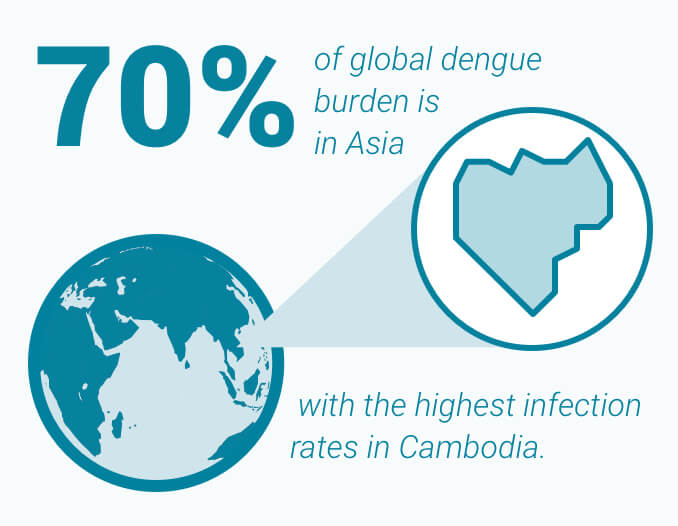
Dengue is the most rapidly spreading mosquito-borne viral disease in the world. Seventy percent of the global burden of dengue is in Asia, with one of the highest infection rates recorded in Cambodia.
This costs Cambodia around several million dollars each year, with many households falling into debt to pay for medical bills.

Dengue vector control in Cambodia is carried out by the National Control Program, which targets “outbreak” villages that have three or more cases of dengue.
This involves:
-(1).jpg?sfvrsn=babb1b3a_1 "providing-health-(1)-(1)")
However, over many years, mosquitoes have become resistant to insecticides currently used in Cambodia. As a result, there is an urgent need to identify additional tools and integrated approaches.
These should be community-based to overcome the lack of operational funds from the national government programme.
What is the purpose of this project?
“There’s no effective, practical vaccine for dengue. So out of necessity you have to try to focus on the mosquito carriers of the disease; that’s the only practical way you can try to reduce the case load of case numbers of dengue.” - Dr Leo Braack, Co-PI SESR-based strategies in Cambodia
Project framework
This project uses the Social Ecological Systems Resilience (SESR) framework to understand how several epidemiological, ecological and socio-economic factors influence the transmission of dengue.

The framework also guides the design of school-driven, community-based interventions for dengue surveillance and control that are viable in the context of people’s day-to-day life. Promoting ongoing collaboration with the locals in this way will ensure the sustainability of the project and its outcomes.
The aim
The aim of the project is to:
- Provide evidence on the application of SESR-based Dengue Vector Control (DVC) and its value in reducing mosquito larvae and adults infected with dengue and reducing the number of containers that mosquitoes breed in.
Develop detailed and contextualized research protocols for implementing SESR-based DVC.
Suggest recommendations for further studies on community-based DVC in the region.
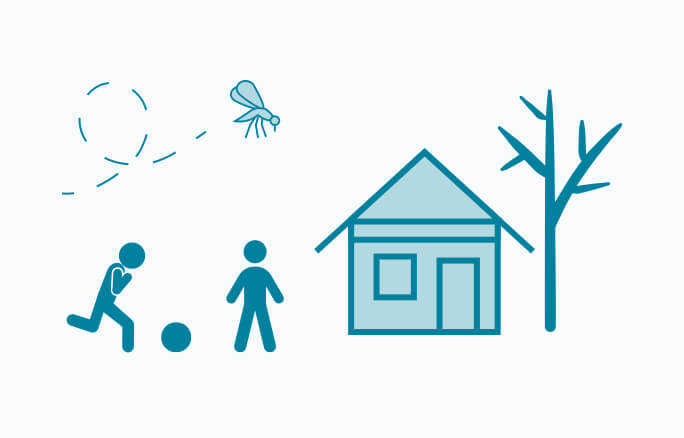
To achieve this, the researchers will:
Towards achieving these aims, the study will investigate whether a set of interventions can reduce the number of mosquitoes that transmit dengue in rural primary schools and households in two districts in Cambodia.
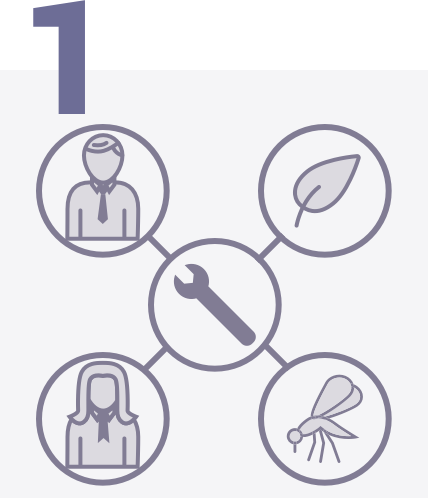
Implement multi-stakeholder driven, ecosystem-based innovative tools and approaches to address dengue.
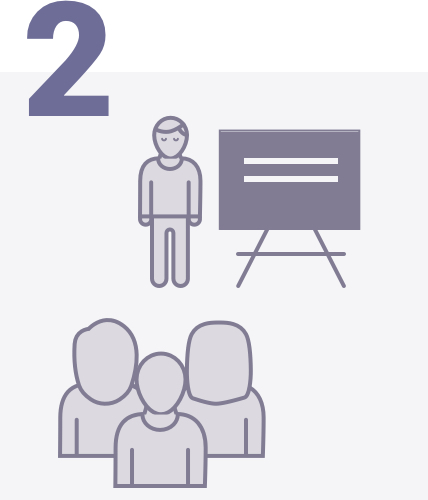
Undertake training activities for research capacity building.

Facilitate the uptake of new knowledge and research results by making the research accessible to decision- and policy-makers.
Research outcomes
The expected outcomes of these interventions include:
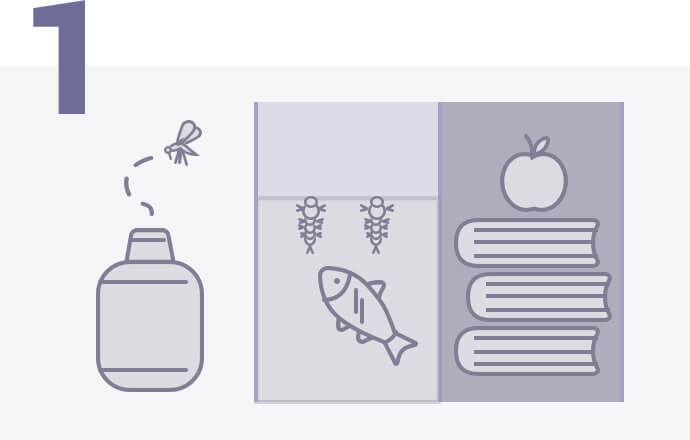
Reduced exposure to dengue-carrying mosquitoes in schools, homes and temples using mosquito traps, natural predators (guppy fish that feed on mosquito larvae) and improved school health education.
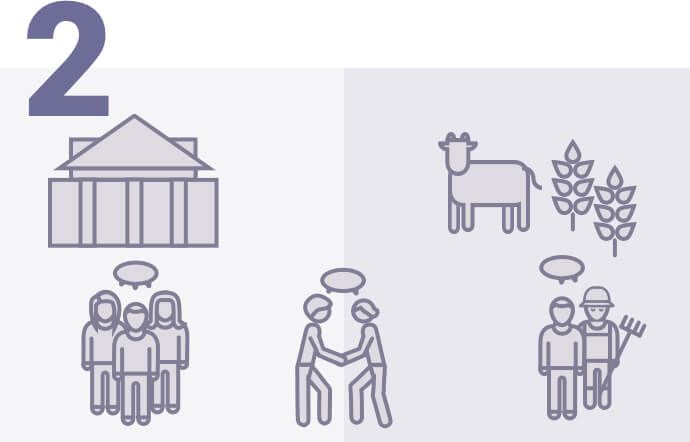
Increased systems approach for the program by creating a common vision among experts from multiple disciplines; strengthening local participation in project activities; and implementing a place-based education strategy that roots learning in local activities and places.