

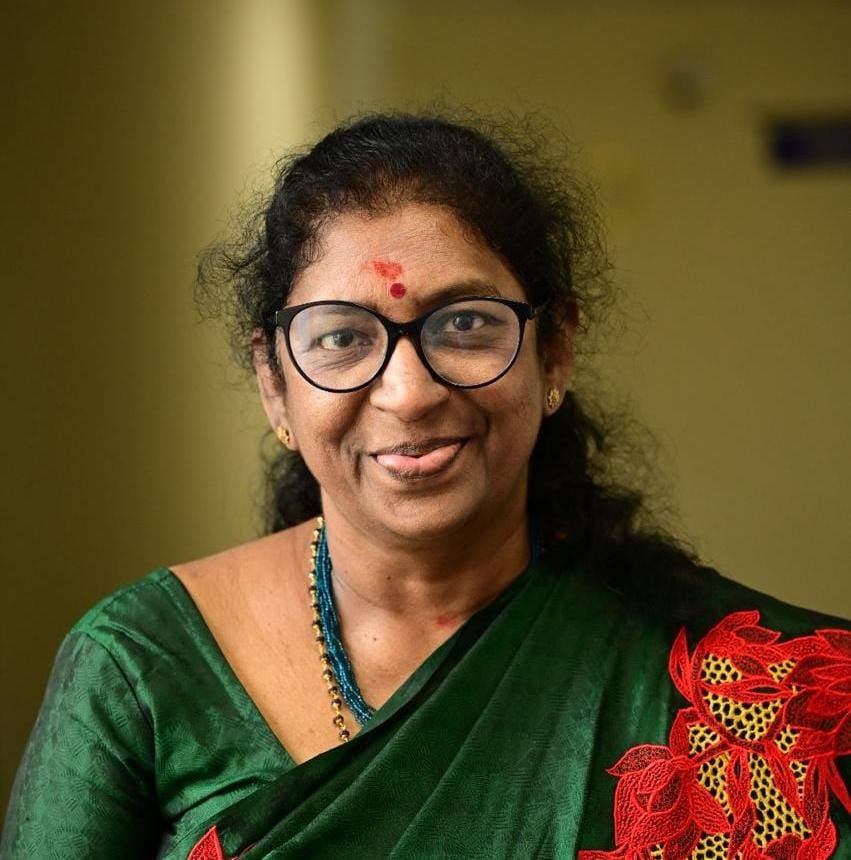
Revolutionizing the management of lymphatic filariasis (LF), Professor Suma Krishnasastry forever changed public health policy on this neglected tropical disease. Thanks to Suma, health workers in 32 countries in Asia and Africa have been trained on a new approach to LF care, vastly improving the quality of life of thousands affected by symptoms and signs such as elephantiasis. TDR’s support for Suma’s career has included numerous research grants as well as training on clinical trials and research ethics.
Currently a Professor at the Kerala University of Health Sciences in India and trained as a medical doctor, Suma has spent her career as a researcher, teacher and clinician in neglected tropical diseases, specifically lymphatic filariasis (LF). However, this wasn’t her original career path. It was chance encounters with LF patients during her clinical rotations that sparked her interest.
Considered a poor man’s disease, LF is a parasitic disease caused by microscopic worms transmitted by mosquitoes, damaging the lymphatic system and leading to swollen and deformed limbs. While many infected people show no symptoms, it can cause chronic lymphedema (swelling in the arms, legs or other body parts), also known as elephantiasis, which leads to pain, permanent disability and social stigma. It can also mean loss of earnings. More than 657 million people in 39 countries worldwide remain threatened by LF, with India shouldering 40% of the burden.
When Suma began her career, LF was not a focus for many researchers. However, in 1989, WHO chose Govt. TD Medical College in Alappuzha (a highly endemic area of LF in India) to conduct research on the application of ivermectin, a drug which kills the parasite causing LF in humans. While assisting Prof Ranganatha Krishna Shenoy, who had a grant from TDR, Suma’s interest grew in how LF affected patients’ daily lives, including why some people suffered from fevers which seemed to have nothing to do with the parasite. What she and colleagues discovered was that the fevers were caused by the bacteriae Streptococcus invading wounds, which people with elephantiasis were prone to.
Eventually it was discovered that preventive chemotherapy drugs through mass drug administration (MDA) could help stop the spread of LF. MDA involves administering an annual dose of medicines to the entire at-risk population. Suma was involved in some of the key research projects around the use of MDA, including determining which combination of drugs was best suited to a particular geographic population.
Focusing on morbidity management and disability prevention
However, it was morbidity management and disability prevention (MMDP) which really sparked Suma’s interest. Suma knew that through basic hygiene practices – such as washing and then drying the limbs and applying antifungal cream – there would be a reduction of fevers and a better quality of life. And these actions were affordable to most people. Healthier patients could get back to work more quickly which meant a regaining of financial independence.
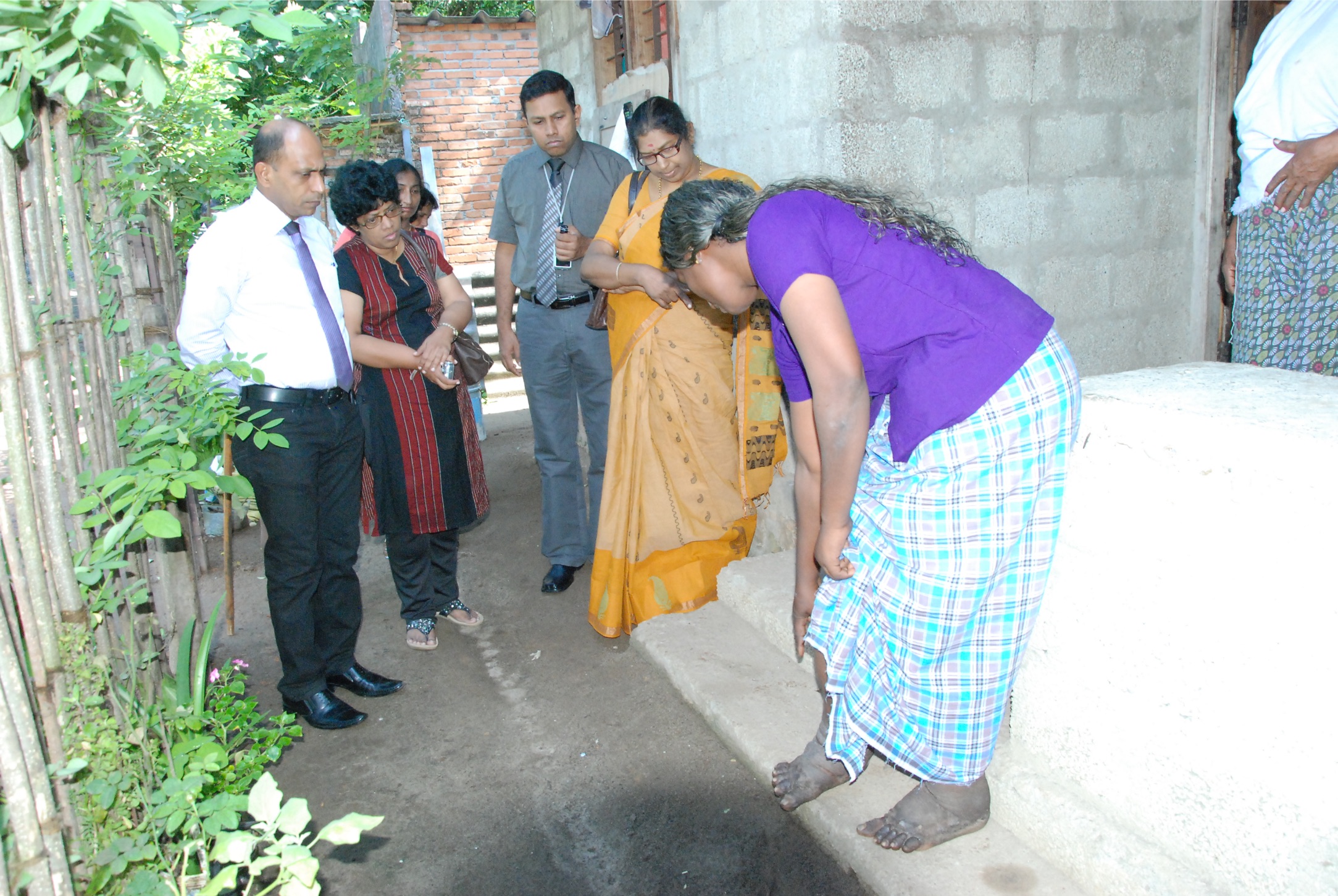
Suma with an LF patient in Alappuzha city during a training session on MMDP. Credit: Mr. Murukan, JB Studio, c/o GTDMC, Alappuzha, India
“The LF patient population is the most neglected part of this neglected tropical disease,” Suma said. “While chemotherapy is one step of the elimination programme, we needed to improve the quality of life of people who had a life-long sentence dealing with this disease.”
Realizing that MMDP was an important part of the elimination programme to end LF, a three-year study funded by WHO allowed Suma and her colleagues to develop modules for training purposes. Initial modules were developed by her team and modified with WHO colleagues. Given that India was a vast country with no uniformity in treating LF, they set up a structured programme which could be rolled out across the country, thus raising awareness of MMDP and forever changing Indian public health policy. In Kerala alone, 91 lymphedema clinics were integrated with primary health care following training of health care providers of the State. With WHO funding, Suma then went on to help conduct MMDP training workshops in other endemic countries at WHO regional, national and sub-national levels. So far, 32 countries, mostly in Africa and Asia, have received the training. Additional training will continue in the coming years.
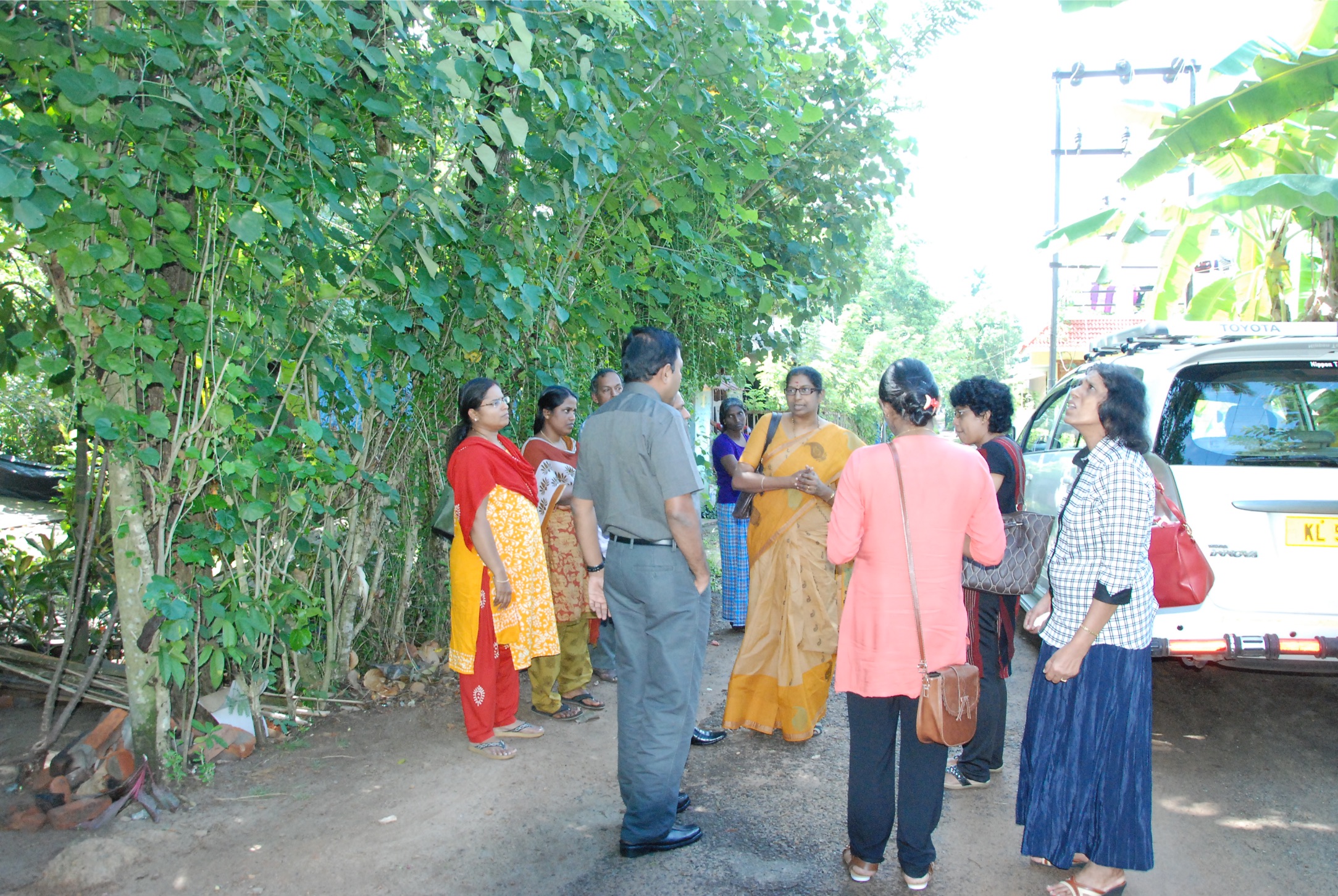
Suma during a MMDP training session and field visit in Alappuzha city with health workers from Sri Lanka. Credit: Mr. Murukan, JB Studio, c/o GTDMC, Alappuzha, India
Suma also found the psychosocial effects of LF could be devastating. Not only could it affect someone’s ability to go to school or to work; it could also hinder one’s chances of getting married. In one endemic area, it was said that a prospective groom would look first at a young woman’s feet before her face in assessing the potential bride. Suma notes also that “women are particularly impacted in conservative societies where it is often difficult for them to leave the house, meaning they are stuck within the four walls of the house, left often thinking terrible thoughts which can lead to depression.”
Given her vast experience with LF, Suma has advised WHO as a member of its expert panel on parasitic diseases and also contributed to WHO guidelines on MMDP and on mental health of people with NTDs while she was the Director of the WHO Collaborating Centre for LF MMDP in Kerala, India.
Reflecting on her career, Suma is thankful for the opportunities she’s been given. “It all started with training from TDR on clinical research, clinical monitoring and research ethics. Without this I might not have become a researcher or learnt so much from affected populations. When I hear patients say they feel better, they don’t have recurrent fevers, that their legs feel less heavy and they can work or go to school, I know that the MMDP programme has made a difference.”