Yellow fever

Yellow fever

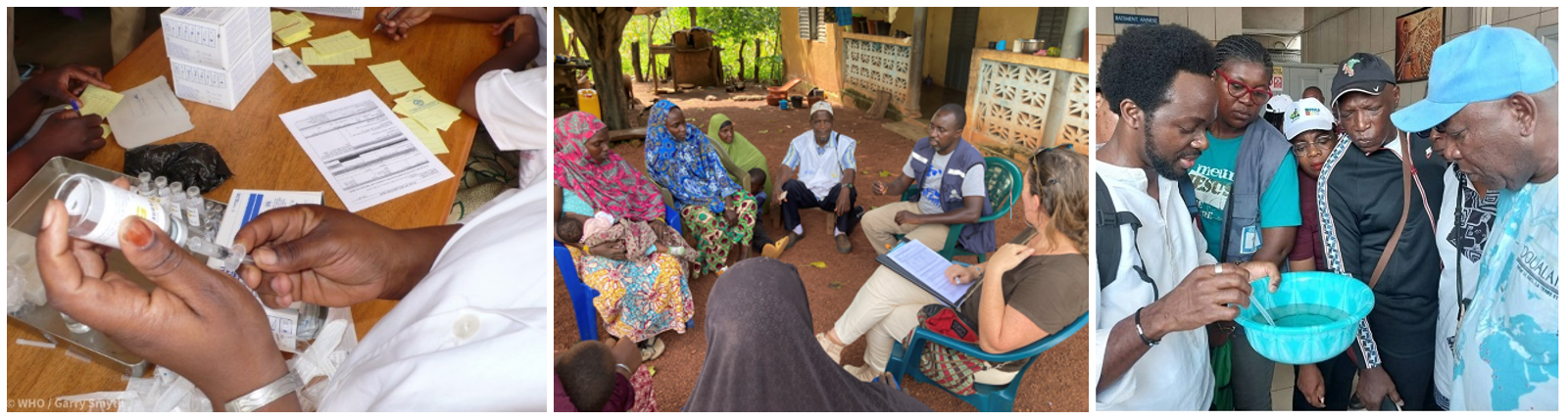
Credit (from left to right): WHO / Garry Smyth, TDR / Nolwenn Conan, TDR / Gildas Yahouedo
© Credits

Overview

A single dose of the yellow fever vaccine provides safe, effective and lifelong protection. Nevertheless, yellow fever remains a recurring public health threat in countries at risk. Ongoing outbreaks reveal persistent gaps in population immunity and emphasize the importance of understanding the factors that drive transmission, limit vaccine coverage and undermine outbreak prevention efforts.

To address these challenges, TDR and the WHO Health Emergencies Programme are collaborating on a series of initiatives to identify the root causes of outbreaks and low vaccination coverage, generate evidence to inform action, and strengthen community engagement to prevent future outbreaks.

Our work

Root cause analysis of Yellow Fever outbreak

Identifying the root causes of Yellow Fever outbreaks is essential. TDR, in partnership with the WHO Eliminate Yellow fever Epidemics Secretariat, is aiding countries by creating a comprehensive toolkit. This toolkit assists in understanding the occurrence and risk of yellow fever cases within their borders.

The toolkit underwent trials in three countries: Guinea, Cameroon and the Central African Republic. These countries had previously faced yellow fever outbreaks despite extensive vaccination campaigns. Each pilot study included an analysis to determine the cause of the yellow fever outbreak and featured two dynamic workshops with national stakeholders. The first workshop was held on-site to review and discuss preliminary findings, and the second was an online session focused on identifying necessary corrective actions and setting priorities. The pilot programs enabled the three countries to:

  • Ascertain the causes behind the resurgence of yellow fever outbreaks.
  • Develop plans for corrective measures.
  • Foster dynamic and interactive dialogues among national and international stakeholders across various levels of implementation, embracing a One Health approach.

See the lessons learned in Cameroon here.  

This toolkit should be available soon for wide use. 

Engaging community leaders to tackle yellow fever

In response to the detection of yellow fever cases in Douala, Cameroon, a collaborative effort involving the Eliminate Yellow Fever Epidemics (EYE) Secretariat in WHO, WHO representation in Cameroon, and TDR aims to strengthen the capacity of Douala communities to reduce the transmission of the yellow fever virus by managing aquatic mosquito habitats such as discarded tires and drinking troughs. Read more