In 2018, more than 90% of malaria cases occurred in the WHO African Region. Due to complex interactions between pathogens, vectors, human behaviour, environmental conditions, and socioeconomic factors, many African countries face challenges in controlling malaria, and high caseloads persist despite the existence of effective vector-control measures – a phenomenon termed ‘residual malaria’.
Over the past few decades, it has become clear that a number of diseases cannot be successfully prevented and controlled by the health sector alone. Rather, they call for a multisectoral approach. This approach is in-line with the 2030 Agenda for Sustainable Development and provides stakeholders with a common language and shared goals that allows different sectors to collaborate. In addition, The Global Vector Control Response 2017–2030 considers the intra- and intersectoral approach as one of the four pillars required for efficient control of vectors and vector-borne diseases.
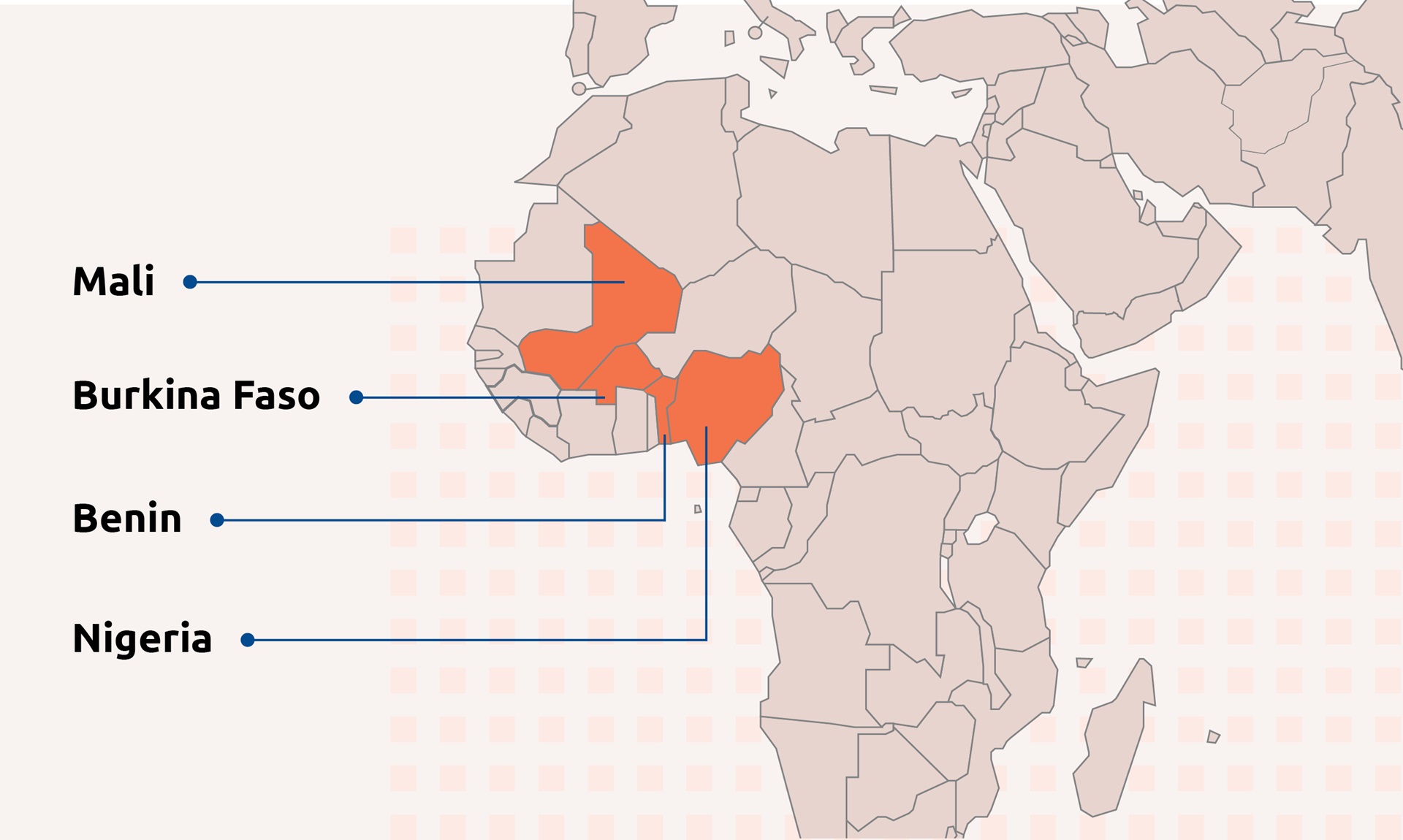
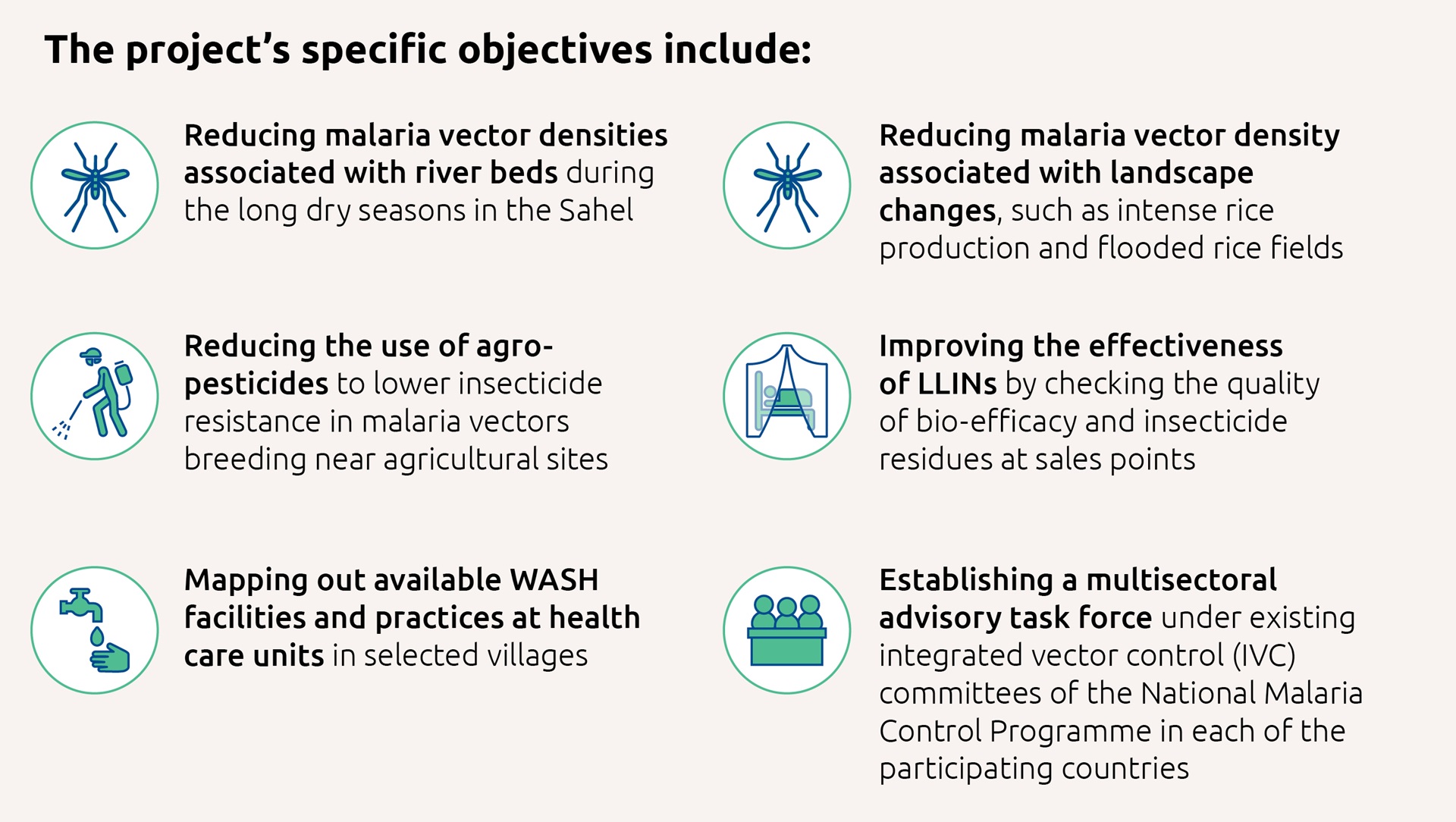
All of this, along with the research agenda found in the guidance framework on Multisectoral Approach for the Prevention and Control of Vector-Borne Diseases, informs and underpins a new pilot programme designed to address residual malaria in West Africa, using a multisectoral approach.
The team involved in this work aim to share progress updates, conclusions and any important policy recommendations as the work proceeds. We will share these updates here on this site once they are available.